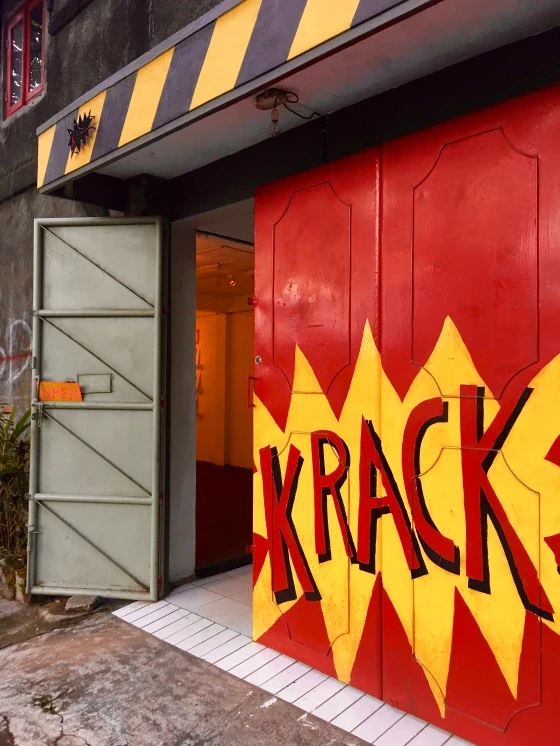
Established in May 2013, Krack! was founded by three printmakers—Rudi Hermawan, Malcolm Smith, and Prihatmoko Moki—alongside manager, Sukma Smita. Created in response to the significant lack of printmaking resources in Jogja (Yogyakarta), the name arose spontaneously, reflecting a desire to “make a crack in something that was already established,” Putri Okta tells me, “Not wanting to destroy it, but to disrupt.”
Initially functioning as a studio, Krack! evolved into a collective in 2019, incorporating new members and embracing interdisciplinary practices. These new members included printmaker Alfin Agnuba, researcher Febrian Adinata Hasibuan, arts manager Putri Okta, curator Rio Rahardjo, and academic Yohanes De Brito.
Through documenta 15, led by the curatorial collective ruangrupa, Indonesia became known for this emphasis on collectivism in artmaking. In the late 60s this ethos was recognised by the eminent art critic, Sanento Yuliman as an essential quality of Indonesian 20th century art. He identified PERSAGI, founded in 1938, as one of the earlier precursors of art collectives and credited this spirit of collectivism to culturally rooted ideas of gotong-royong (mutual cooperation) and sanggar (creative communities). Krack! follows this legacy, embodying an emphasis on community.
Now an amorphous group of makers (with no single group photo available), Krack! is the axis around which many artistic practices orbit. Within the space, artists create and exhibit print-based works that are both visually innovative and critically engaging. Humming with the energy suggested by its name, the past four years have also seen Krack! present workshops and talks and participate in residencies.
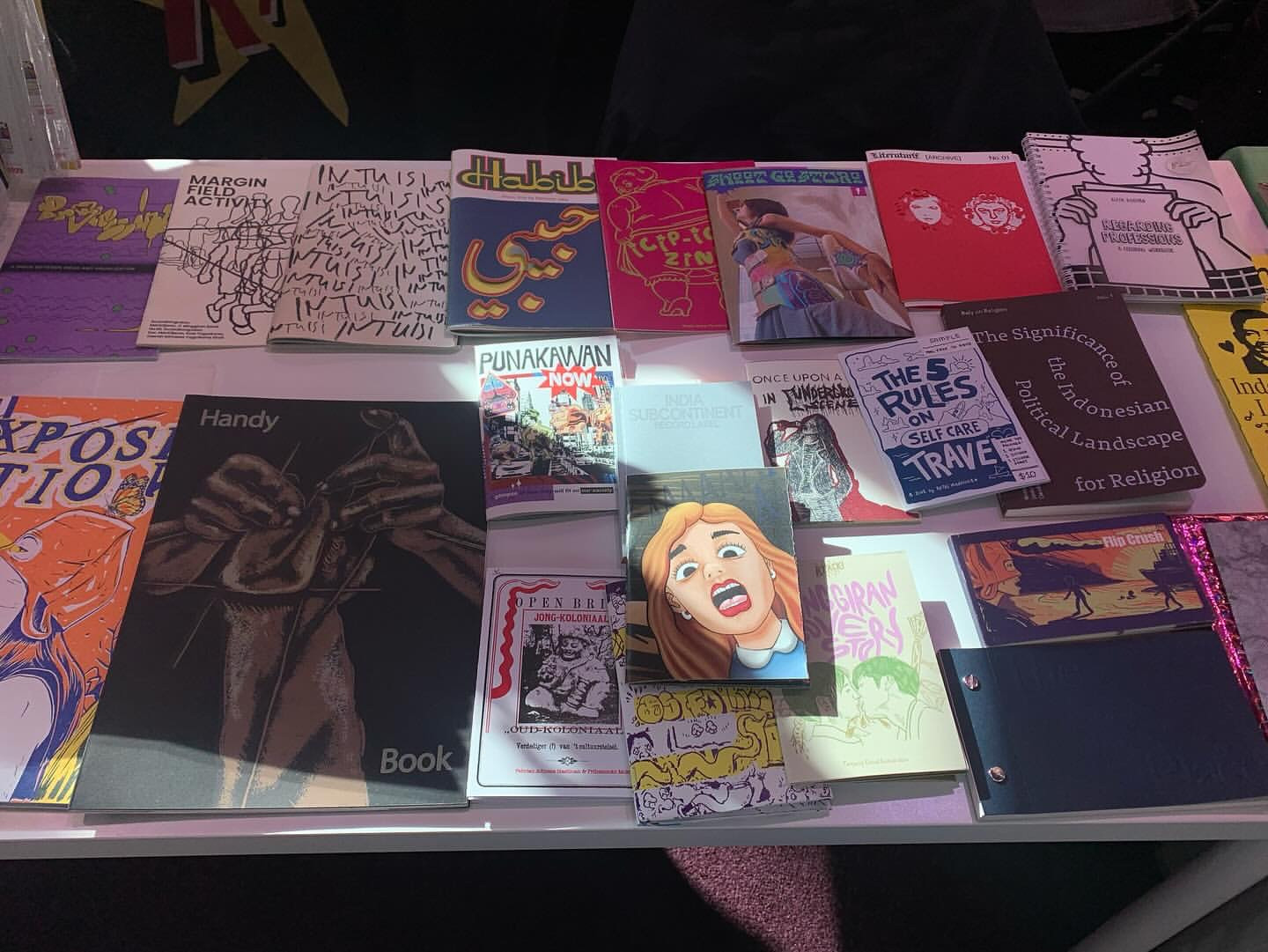
“Printmaking is not only always seen in exhibition spaces, galleries or museums, but we can find it on many streets through street art, popular culture communities through independent publications (zines), clothes, and other products, and forms of batik printing (Batik Print) which has long been the livelihood of the people of Jogja.”
— Putri Okta
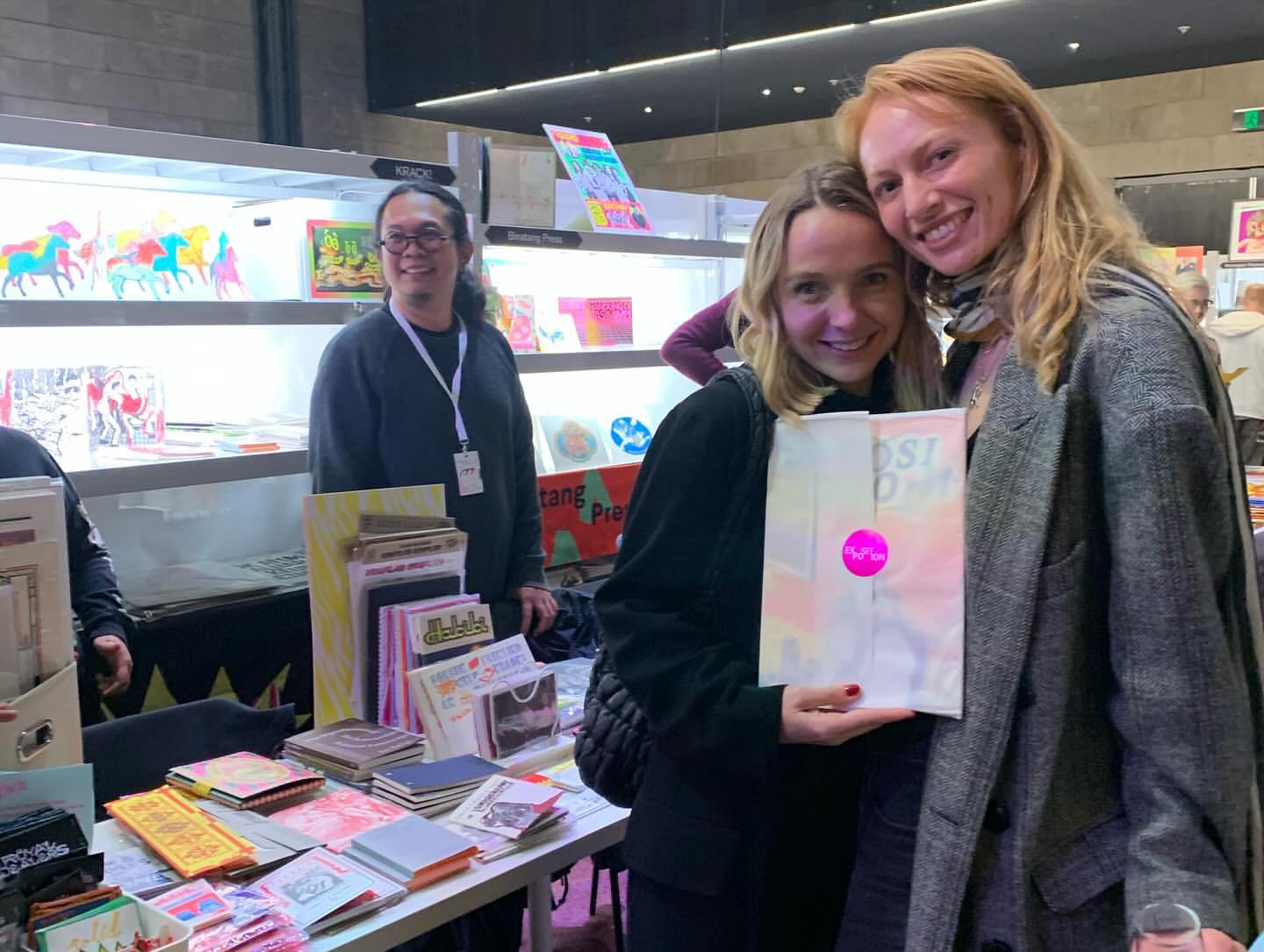
While firmly grounded in local artistic dialogues, the studio/gallery/collective has maintained an international presence with works showcased in China, Singapore, Australia, and Italy. Most recently, they participated in the Melbourne Art Book Fair in May this year, a trip Putri says “has significantly broadened its international network, facilitating direct interactions with publishers, writers, and artists.”
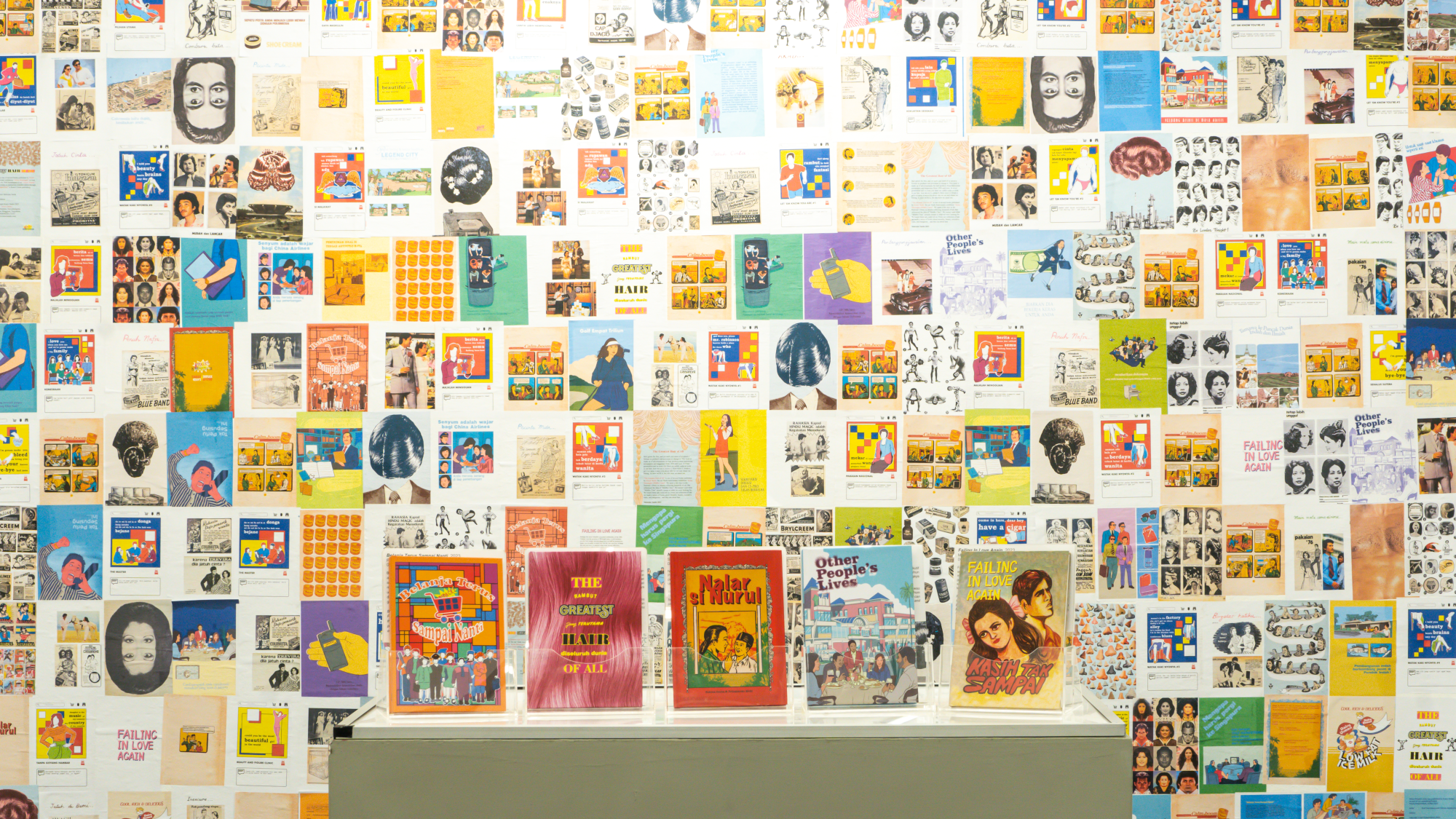
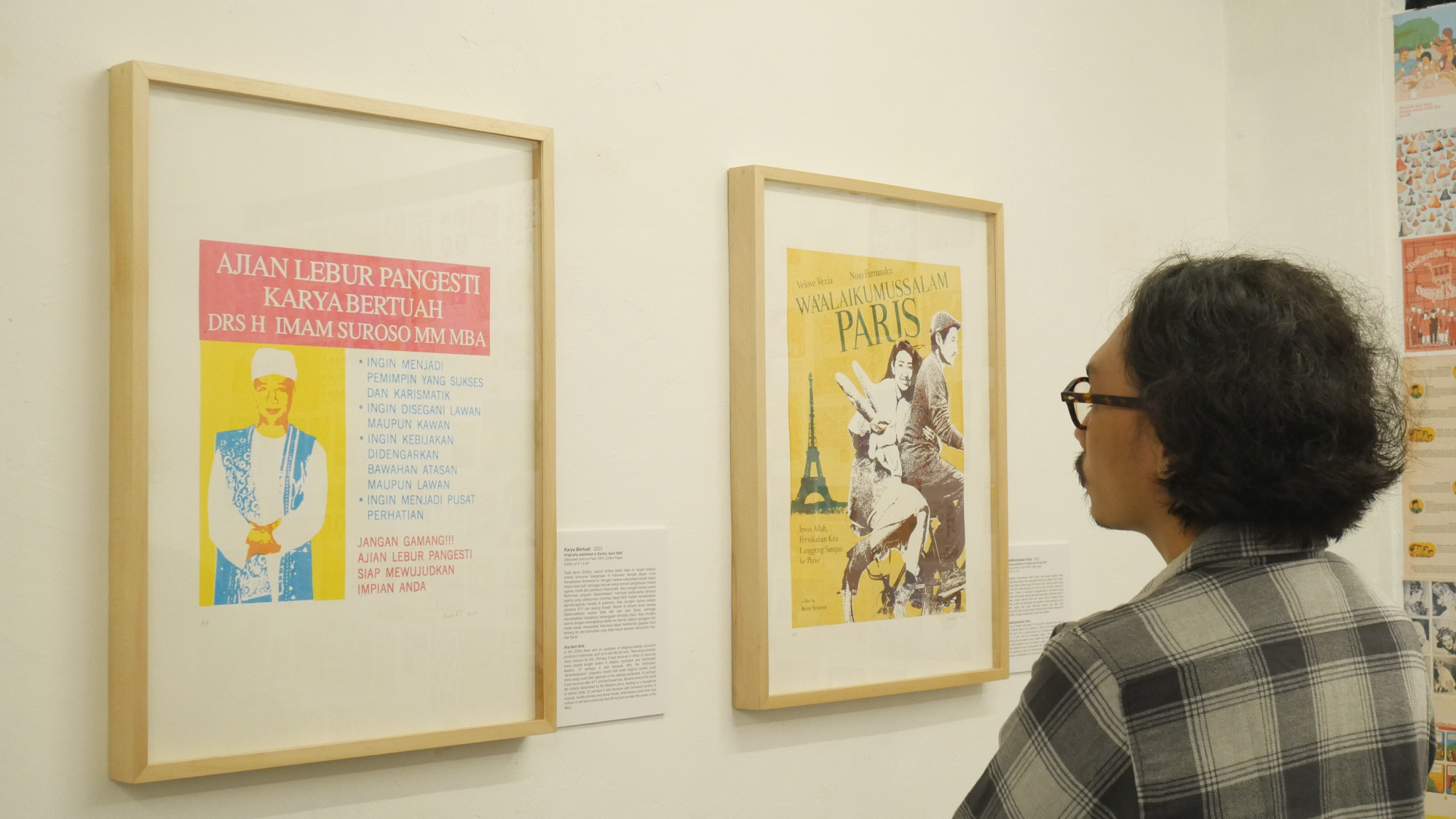
The studio’s commitment to executing the early ideas of its founding members is evident. One year after its establishment in 2013, the Tanah Impian (Dreamland) project emerged to tell the stories of those existing on the margins of Indonesian society, through the reinterpretation of historical media including advertisements, book covers, posters, and movie illustrations. It evolved into a three part-series presented over eight years: the first was Tanah Impian (2015), which explored national aspirations in Indonesia over the past century, as reflected through popular culture; the second ‘Obat Kuat’ (Strong Medicine) in 2017 surveyed evolving gender perceptions; and the third, ‘Kelas Menengah’ (Middle Class) (2023) analysed views of the Indonesian middle class as influenced by academic discussions and government initiatives.
Another significant focus has been archival research into the history of printmaking in Indonesia. “We tried to pioneer research on the history of printmaking, which is not widely explored...” Okta tells me, “This desire has been nurtured since 2019 but was only realized in 2023 by conducting research at several archiving institutions in Indonesia.” The outcomes of this ambitious research will be presented in December 2024 at ‘Sorry for the late reply, but I wanted to let you know there's been a change in our festival title. If possible, could you update it to "Festival Seni Cetak Grafis: Trilogia"? Apologies for the extra work!’, a printmaking festival that seeks to “celebrate printmaking's societal impact and contemporary trends through exhibitions and a symposium to foster discourse within the Indonesian printmaking community.”